Sewer & drain solutions · Decatur, Alabama

Sewer & drain cleaning · Decatur, Alabama

Hydro jetting in Decatur, AL.

Recurring clogs deserve more than another quick fix. Find the right next step for recurring clogs, slow drains, and sewer-line buildup. Call to discuss your property and a suitable assessment.

Residential & commercialPipe suitability firstClear questions before hiring
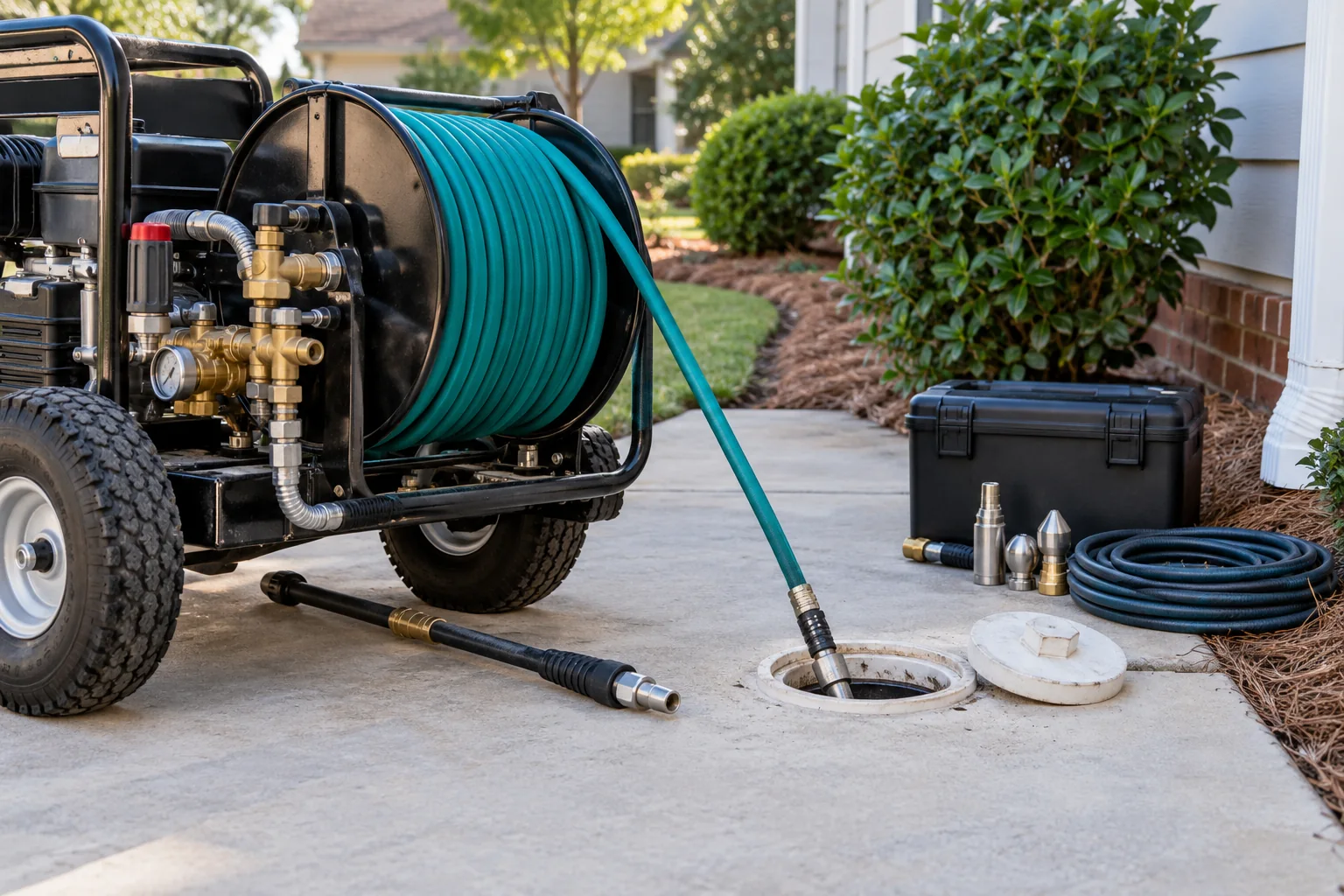
Hydro-jetting hose reel and drain-cleaning equipment beside an exterior cleanout
Recurring clog?Look beyond temporary relief.
Main sewer linesHousehold drainsCommercial drainageCamera inspection

A clear answer first

What is hydro jetting, and when does a drain need it?

Brick home and landscaped lawn illustrating residential drainage context
Clean buildup. Investigate the cause.Water cleaning is useful only when it fits the obstruction and the condition of the pipe.

Hydro jetting is a professional drain-cleaning method that sends pressurized water through a hose and specialized nozzle to loosen and flush buildup inside a suitable pipe. For someone looking for hydro jetting in Decatur, AL, the important question is whether the trouble comes from removable buildup or a damaged drain. Cleaning can help with grease, sludge, and certain recurring obstructions. It cannot put a broken sewer line back together.

A drain that keeps clogging after being cleared deserves a closer look. A cable may reopen a narrow passage without removing deposits along the pipe walls. Water jetting can clean more of that interior surface when the line is sound enough for the equipment and method. The provider should evaluate pipe condition, access, blockage type, and where the loosened material will go before recommending a treatment.

Start with the symptoms you can actually observe: which fixtures are affected, whether wastewater is backing up, how long the problem has lasted, and what has already been tried. A useful conversation begins with those facts rather than a promise that one particular machine will solve everything. Ask the provider to explain the proposed work, any inspection needed, and the estimate before authorizing service.

The right scope for the problem

Which sewer and drain services can you discuss?

Different symptoms lead to different assessments. Explore the work before choosing a method.

Sewer line hydro jetting

Main sewer line hydro jetting focuses on the larger drainage path carrying wastewater away from a building. Problems affecting several fixtures may point toward a shared line rather than an isolated sink trap. Describe the lowest fixture affected, any outdoor cleanout you know about, and whether flushing a toilet changes water levels elsewhere. The provider decides whether inspection, mechanical clearing, jetting, or repair is appropriate.

Residential hydro jetting

Residential hydro jetting addresses suitable household drain lines with persistent buildup. A kitchen branch collecting grease needs a different assessment from a bathroom drain blocked with hair. Explain whether the restriction returns after ordinary use, whether renovations changed the drainage arrangement, and whether there is a history of pipe damage. Request an approach suited to the actual line rather than maximum water pressure by default.

Commercial hydro jetting

Commercial hydro jetting can be considered for businesses dealing with recurring drainage restrictions, grease accumulation, or affected floor drains. A restaurant, retail property, and multi-tenant building have different access and operating constraints. Have a manager available to identify fixtures, cleaning schedules, and any grease interceptor. Confirm how work will be coordinated with staff and whether particular areas need to stop using water during the visit.

Sewer camera inspection

Sewer camera inspection helps a provider investigate accessible drain interiors and explain what the footage shows. A camera may reveal deposits, roots, joints, or visible damage, but standing water and thick obstructions can limit the view. Ask whether the inspection is diagnostic, whether locating the line is included, and whether you will receive footage or a written explanation of the findings.

Grease & sludge removal

Grease and sludge removal is a cleaning goal rather than a separate promise that every drain needs jetting. Accumulated cooking fats, soap residue, and other deposits can reduce the open passage. The provider should identify the affected branch, check whether waste practices are contributing, and discuss changes that reduce recurrence. Never pour chemicals into the drain just to prepare it for an appointment; report any products already used.

Recurring-clog assessment

Recurring-clog assessment helps separate a cleaning problem from a continuing cause. A drain that slows again might have remaining deposits, root intrusion, a low section holding water, or another defect. Describe the interval between blockages and bring any previous inspection notes. Repeated cleaning without an explanation can leave the original problem unresolved, so ask what evidence supports the recommendation and what happens if cleaning does not restore reliable drainage.

Read the pattern

What are your drains trying to tell you?

One slow sink usually calls for a different investigation from a house full of slow fixtures. Patterns matter more than dramatic descriptions. Note whether the problem happens only while one appliance runs, after a large amount of water is released, or during otherwise normal use. Those observations help a provider narrow the affected drainage path without guessing from a phone conversation.

A kitchen sink that repeatedly slows may have grease or debris in its branch line. Several toilets and showers acting up together can suggest a restriction in a shared drain. Gurgling sometimes accompanies drainage or venting trouble, so it should be described without treating it as proof of one cause. Water rising in a low shower when another fixture drains is especially useful information to share.

If wastewater is entering living space, reduce water use and keep people and pets away from the affected area. Do not keep flushing to see whether the blockage has gone away. Standing sewage needs prompt professional attention, and the appropriate response may involve both drain work and cleanup. Explain the active backup immediately and confirm the earliest available appointment.

What you noticeWhat to discuss with a provider
One slow kitchen drainTrap or branch restriction, grease, and recent disposal use
Several slow fixturesShared drain or main sewer line assessment
A clog returns after snakingRemaining buildup, camera findings, or a structural cause
Water comes up in a lower fixtureStop unnecessary water use and report an active backup
Grease-related business interruptionsDrain layout, interceptor maintenance, and access planning

Inside the pipe

How does high-pressure drain cleaning work?

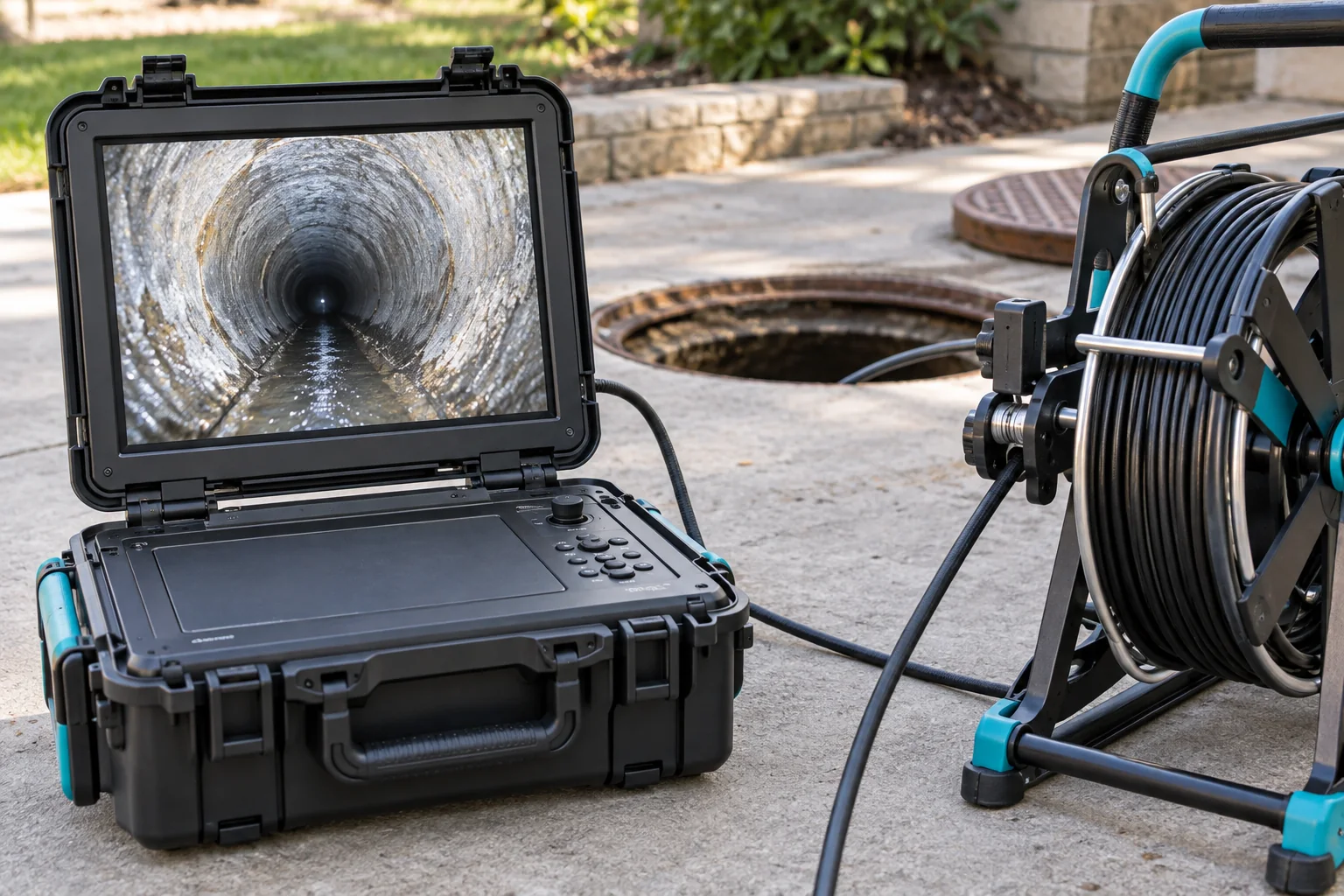
Sewer inspection monitor and cable reel with a pipe interior visible on the screen

Water, a hose, and a nozzle chosen for the job

A jetter supplies controlled water flow through a flexible hose. Nozzle outlets direct water in patterns suited to the task, with rear-facing jets helping move the hose and wash material toward an appropriate exit. Different equipment and nozzles are used for different pipe sizes and deposits. A responsible provider chooses a working method based on the drain instead of treating a single pressure setting as a universal answer.

The cleaning action can loosen material attached to the walls as well as clear an obstruction in the open passage. That is why sewer jetting and drain jetting are often discussed when a line repeatedly narrows from accumulated deposits. Effectiveness depends on what is actually in the pipe, how far the equipment can reach, the available water supply, and whether the line can carry the loosened material away. A buried collapse or an inaccessible branch changes the plan.

What makes it different from snaking?

A drain cable or auger uses mechanical action to work through an obstruction. For some clogs, that is a suitable and efficient solution. Jetting uses water to clean the interior more broadly when that is needed and safe. Neither method is automatically the right choice. A small fixture blockage can have a straightforward cause that does not justify cleaning the whole sewer line.

If repeated snaking restores flow only briefly, ask what remains inside the drain and how the provider knows. The issue may be deposits that were not fully removed, but it could also be damaged joints, recurring roots, or a low section of pipe. The useful comparison is between methods matched to the observed problem. Paying for a different tool without identifying the cause may simply repeat the cycle in a more expensive way.

Where grease, sludge, and roots fit

Cooking grease can cool and cling inside drainage lines. Soap residue and other waste can collect around existing deposits, narrowing the path over time. In an appropriate line, high-pressure drain cleaning may loosen and flush those deposits. Prevention still matters afterward: keep fats out of sinks, use suitable strainers, and follow the provider's advice for the specific drain. Cleaning does not make a drain immune to future buildup.

Roots are a different issue. They can enter through an opening or vulnerable joint, so removing visible root material does not necessarily fix the entry point. A provider may recommend specialized clearing, inspection, repair, or a combination based on the findings. Do not assume that ordinary jetting will remove every root obstruction or provide a permanent solution. Ask what the camera shows about the surrounding pipe once access is restored.

Why inspection and pipe condition matter

A camera inspection can help identify accessible defects, obstructions, and areas where wastewater remains in the pipe. It may be useful before cleaning when the line's condition is uncertain, and after cleaning when deposits previously blocked the view. The provider should explain the sequence, any limits to visibility, and whether the quote includes both stages. A camera is an investigation tool, not a guarantee that every problem will be visible.

A badly deteriorated, separated, or collapsed line may need repair rather than aggressive cleaning. Pipe material alone does not establish suitability; age, installation, condition, joints, and previous repairs also matter. Tell the provider about known failures and share available records. If cleaning is ruled out, ask what evidence supports the alternative and whether the obstruction needs to be cleared enough to complete a more reliable assessment.

Homes and businesses need different planning

At a home, the appointment may center on a kitchen branch, an accessible cleanout, or the main sewer connection. Clear a path to the relevant area and identify where pets and children can stay away from equipment. A business may need work coordinated around staff, food preparation, shared fixtures, or customer access. Both situations benefit from an agreed scope and a clear explanation of when water use must pause.

For commercial grease issues, drain cleaning and grease-interceptor maintenance are related but distinct tasks. A clean branch does not replace proper interceptor servicing, and an emptied interceptor does not prove every downstream line is clear. Explain what has already been maintained and what remains slow. The provider can then consider the system as a whole instead of assuming the most visible drain is the only affected part.

From symptoms to a plan

What happens from the first call to the final check?

01

Describe the problem

Tell the provider where the property is, which drains are affected, whether there is an active backup, and what work has already been done. Share access limitations and any known pipe condition. Confirm the available appointment time and how assessment charges work. Ask how the assessment will be carried out and how the estimate will be supplied before work begins.

02

Agree on an assessment and scope

The provider evaluates the symptoms and accessible drainage system, then explains the proposed method. Ask whether a camera, cable, or jetter will be used and why. Discuss pipe suitability, water access, included work, and circumstances that could change the estimate. Approve the scope before cleaning begins so everyone understands what is being addressed and what remains outside the visit.

03

Review the result and next steps

After the work, ask how flow was checked and whether an inspection identified unresolved concerns. Request a practical explanation rather than just “the drain is clear.” If the problem involved grease or recurring obstructions, discuss prevention and whether follow-up is warranted. Keep the invoice, scope, and any footage together so a later provider can understand what was done without starting from memory.

Know the next step

Can waiting make a recurring blockage harder to manage?

A partly restricted drain may still accept a small amount of water while struggling with a larger release from laundry, a bath, or several fixtures. That intermittent pattern can make a problem feel resolved when the line is simply carrying less water. If it repeatedly slows, it is worth arranging an assessment before you depend on it during a busy household or business day.

A backup can affect floors, cabinets, and other materials, with cleanup becoming a separate task from restoring drainage. At a business, a blocked drain can also disrupt access to a work area. These are possible consequences, not a prediction that every slow sink will become a major emergency. The sensible response is to match urgency to the symptoms: routine assessment for recurring slow drainage and prompt attention for wastewater entering occupied space.

Waiting also makes it easy to lose useful information. Save previous invoices, dates of blockages, and any footage now. Record which fixtures react together and what happens when normal water use resumes. You do not need to run repeated experiments or force more water through a blocked line. A clear history helps the provider separate temporary relief from a reliable improvement and explain whether cleaning or repair offers the better next step.

Price depends on scope

What affects the cost of hydro jetting in Decatur?

The price depends on the particular job and the provider's estimate. There is no single quoted rate here because pipe access, blockage location, inspection requirements, and the scope of cleaning have not been assessed. Ask for a written explanation of included services, any diagnostic charge, and how additional work will be approved. A low starting figure is less useful than a clear scope you can compare.

Cost factorWhy it mattersA useful question
Access to the lineThe provider needs a suitable entry pointIs access included in the estimate?
Length and blockage locationEquipment reach and time varyWhich part of the line will be cleaned?
Pipe conditionDamage may change the recommended methodIs inspection needed before jetting?
Type of buildupGrease, debris, and roots require different approachesWhat evidence identifies the obstruction?
Camera workDiagnostic footage can be a separate serviceAre before-and-after views included?
Timing and follow-upScheduling and repeat visits may affect the totalWhat charges apply if repair is needed instead?

Decatur & nearby

Which Decatur areas can callers ask about?

Old Decatur

Customers in Old Decatur can discuss suitable sewer and drain cleaning. The neighborhood is part of Decatur's historic core, but the age of an individual sewer line should never be assumed from the surroundings. Have records of previous plumbing work ready and identify accessible cleanouts. The provider must assess the actual property and confirm coverage before any appointment is agreed.

Albany, Decatur

For Albany, clear property details matter because this is the Decatur neighborhood, rather than another city with the same name. Share the complete service location and explain whether the concern is a household branch, a shared line, or a business drain. The local guide focuses on gathering repair records and understanding access without claiming that all buildings have the same pipes or the same drainage problems.

Priceville

In nearby Priceville, begin by confirming that a provider serves the specific address and handles the type of wastewater system at the property. Priceville is a separate municipality, and the exact address and wastewater connection help determine the appropriate scope. Tell the provider whether the property uses public sewer or a septic system if you know. That information helps direct the conversation toward the correct service.

Other Decatur addresses

For other Decatur locations, supply the street, ZIP code, property type, and access details during the call. Coverage depends on the provider, the job, and current availability. Neighborhood names help describe the area, but they do not replace an exact service address or establish a guaranteed arrival time. If a nearby address is outside a provider's coverage, confirm that before discussing an appointment or authorizing a visit charge.

Choose with confidence

How do you choose a provider with confidence?

Start by asking who will perform the work and what company will appear on the estimate. Confirm any credentials required for the particular scope directly with that provider. Ask about insurance, the method proposed, and how unexpected findings are handled. Keep the proposed scope and any applicable warranty terms together with the estimate.

A useful estimate describes the affected line, the planned cleaning or investigation, and the limits of the visit. Ask whether footage, locating, water access, and follow-up checks are included. If the provider finds damage, they should explain why that changes the plan and obtain approval for additional work. Avoid making a decision based solely on an unqualified promise that one cleaning will permanently solve every drainage issue.

Read what to expect when arranging service for a practical overview of the first conversation. Ask for the name of the business handling your appointment and discuss the scope before approving work. Keep any inspection footage, invoice, and recommended next steps. A clear explanation of the drainage problem helps you compare a cleaning proposal with a repair recommendation and understand what a successful visit should achieve.

Make the conversation useful

What should you have ready before calling?

Have the property location, callback number, affected fixtures, and approximate start of the problem available. Mention active wastewater backups first. Describe previous snaking or jetting, known repairs, and any chemical cleaner already used. If you have inspection footage, ask how it can be shared. Identify any accessible cleanout without opening it yourself. For a rental or business property, confirm who can authorize work and who will meet the provider. Our contact guide explains the next steps.

Answers before the appointment

Common questions about hydro jetting

Is hydro jetting suitable for every clogged drain?

No. An isolated fixture obstruction may be handled with simpler methods, while a damaged sewer line can require repair. The provider should assess the location, pipe condition, and type of blockage before recommending water jetting. Ask why the proposed method fits the findings rather than requesting maximum pressure as a starting point.

Does hydro jetting replace sewer line repair?

Cleaning and repair do different jobs. Jetting can remove suitable deposits, but it cannot repair a collapse, separated joint, or incorrect pipe slope. If a camera shows an unresolved defect, ask the provider to explain the cleaning result separately from the repair recommendation and provide the findings you need to compare options.

Is a camera inspection always included?

Not necessarily. Providers may quote camera inspection separately or include it within an assessment package. Visibility can also depend on whether the line is clear enough to pass the camera. Confirm what is included, when the inspection takes place, and whether you receive usable footage or a written account of the findings.

Can jetting help when a drain keeps clogging?

It may help if repeated clogs are caused by removable buildup left in a suitable pipe. Recurrence can also come from roots, a low section, or other damage. Explain how quickly the restriction returns and what was previously done so the provider can investigate the cause instead of assuming more cleaning is sufficient.

Will it remove tree roots permanently?

Root clearing does not automatically fix the opening that allowed roots into the line. Suitability depends on the obstruction and the pipe. Ask whether specialized clearing is needed, what inspection shows afterward, and whether repair should be considered. Do not treat a restored passage as proof that the root-entry problem has disappeared.

Should I use chemical cleaner before the visit?

Tell the provider about any cleaner already used and follow their instructions. Do not mix products or add chemicals to prepare for jetting. Chemical residue can affect safe handling during drain work. Stop repeated attempts when water backs up, and explain the symptoms rather than trying to conceal them before an assessment.

Can a business arrange cleaning around operating hours?

Ask the provider directly about scheduling and any equipment or water-use restrictions. Commercial work may need coordination with staff, tenants, and access to particular areas. Confirm the actual appointment, expected work area, and how interruptions will be managed before authorizing service.

How do I arrange urgent drain help?

Explain an active backup at the beginning of the call and ask for the earliest available appointment. If sewage is entering occupied space, reduce unnecessary water use and keep people away from it while arranging suitable professional assistance and any required cleanup.

Do I need to know my pipe material?

Share the information if you have reliable records, but you do not need to guess. An assessment should consider more than the material alone, including joints, visible condition, access, and past repairs. Photos of previous work or existing inspection reports can help the provider understand what is known and what still needs checking.

Who supplies the estimate and performs the work?

The service provider supplies the estimate, determines suitability, schedules the visit, and performs any work you authorize. Ask for the provider's business name and terms before hiring, and keep the approved scope and invoice for future reference.

A clearer next step

Start with what your drains are doing.

Discuss the symptoms, ask about a suitable assessment, and confirm the independent provider’s availability.

256-687-0987Call Now
Discuss your drain problemSewer & drain cleaning · Decatur, ALCall Now